Direct answer
For bulk sea transport, 25 kg and 50 kg woven polypropylene (PP) bags are the most cost-effective option: strong, tear-resistant and suited to heavy stacking, with a PE liner added when extra moisture protection is needed. For premium retail packs of 1 to 5 kg, vacuum-sealed multilayer pouches or laminated BOPP bags protect the grain and its aroma and present the brand well. Vacuum packing reduces oxygen around the rice, which slows the oxidation of bran oils and is especially valuable for whole grain rice.
Key takeaways
- Woven PP is the standard for 25 and 50 kg export bags.
- BOPP-laminated woven PP gives photo-quality printing for retail and private label.
- Non-woven bags suit premium retail and gift packs rather than heavy wholesale sacks.
- Vacuum packs protect aroma and slow rancidity in whole grain rice.
- Private label needs approved artwork, correct labelling for your market and a printing minimum per design.
Woven polypropylene (PP) bags
Woven PP bags are the workhorse of rice export. They are strong, tear-resistant and handle rough loading and high stacking in containers and warehouses. They are standard for 25 kg and 50 kg wholesale bags and can be printed with simple brand designs. A PE inner liner can be added for extra moisture protection on long voyages or in humid destinations.
BOPP-laminated bags
BOPP (biaxially oriented polypropylene) film laminated onto woven PP gives a glossy, full-colour printed surface while keeping the strength of woven PP. It is the most common choice for branded 5 kg to 25 kg packs that go straight onto supermarket and wholesale shelves.
Non-woven and jute-look bags
Non-woven polypropylene bags have a fabric-like feel and are often used for premium retail and gift packs, sometimes with handles and zips. Jute or cotton-look bags position rice as a premium product. Both are best for smaller retail sizes rather than heavy wholesale sacks.
Rice packaging comparison
| Packaging | Sizes | Moisture and oxygen protection | Shelf life impact | Typical rice grades (broken %) | Minimum order quantity |
|---|---|---|---|---|---|
| Woven PP | 25 kg, 50 kg | Tear-resistant; add PE liner for moisture | Standard; suits milled rice | All grades, 5% to 100% broken | Agreed per order; about 25 MT per 20ft |
| BOPP-laminated PP | 5 to 25 kg | Good | Standard; suits milled rice | Retail grades, 100% to 10% | Printing minimum per design, agreed per order |
| Non-woven | 1 to 10 kg | Moderate | Standard | Premium retail grades | Printing minimum per design, agreed per order |
| Vacuum pouch | 500 g to 5 kg | High: low oxygen | Slows oxidation; best for whole grain and fragrant rice | Premium grades, whole grain rice | Agreed per order; about 20 to 25 MT per 20ft |
| Jumbo bag (FIBC) | About 1 MT | Good with liner | Standard | Broken and industrial grades | Agreed per order |
Moisture at packing is 14% maximum for all formats. Properly stored milled rice keeps for a very long time, while whole grain rice keeps about six months at room temperature.
Vacuum packs
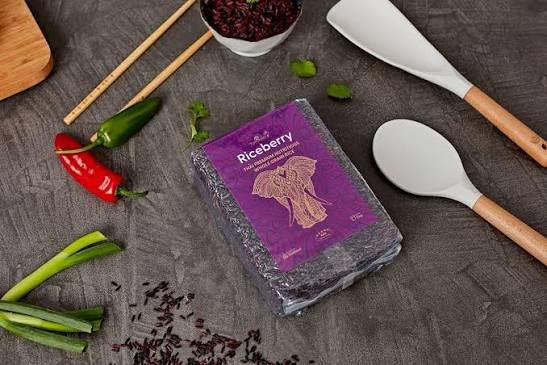
Vacuum packs are multilayer plastic pouches from which the air is removed, forming a firm brick-shaped pack that stacks neatly in master cartons. Removing oxygen slows oxidation, which helps protect the aroma of fragrant rice and the bran oils of whole grain rice such as Riceberry and brown rice. Whole grain rice keeps for only about six months at room temperature because of these oils, so vacuum packing is especially valuable for it. Retail vacuum packs are usually 500 g to 5 kg.
How private label (OEM) rice works
- Brief: choose the rice, grade, pack sizes and bag type.
- Artwork: send your design, or we help prepare one that meets your market's labelling rules: product name, net weight, origin, importer details, dates, lot number and barcode.
- Proof: approve a digital proof before printing.
- Printing: bags are printed; minimum quantities per design depend on the bag type and are agreed in the quotation.
- Packing and loading: your rice is packed to the agreed specification and loaded, often in master bags or cartons for small packs.
Learn more about our rice products available for private label.
Frequently asked questions
What is the best bag for exporting rice by sea?
For bulk rice, 25 kg and 50 kg woven polypropylene (PP) bags are the standard: strong, tear-resistant and cost-effective. A PE liner adds moisture protection for long voyages or humid destinations.
Does vacuum packing extend rice shelf life?
Vacuum packing reduces the oxygen around the rice, which slows oxidation. It is most useful for whole grain rice such as brown rice and Riceberry, whose bran oils otherwise go rancid in about six months at room temperature.
What do I need to start private label rice?
Choose the rice and pack sizes, then provide your artwork and labelling requirements. The exporter sends a proof for approval before printing, and minimum printing quantities per design are agreed in the quotation.
Sources and further reading
- USA Rice: rice storage and shelf life guidance
- Industry packaging practice for rice export
This guide is for general information. Regulations and market conditions change, so confirm current requirements with the relevant authorities and your advisers.
Sourcing rice from Thailand?
Tell us what rice you need, the quantity required, and your destination. Our export team will respond with the relevant information and quotation.